Why Humane Wildlife Removal Is Important for Property and Animal Safety
People searching for humane wildlife removal are typically looking to safely and ethically remove animals from their property, and local service providers can help ensure the job is done responsibly.
Understanding why humane wildlife removal is important for property and animal safety can help property owners address common issues caused by unwanted wildlife. Animals such as raccoons, squirrels, and bats often seek shelter in attics, crawl spaces, or wall cavities, which can lead to property damage, contamination, and health concerns. Engaging with experienced service providers ensures that these animals are removed safely and humanely, minimizing stress for the wildlife while protecting the integrity of the property. Local contractors who specialize in humane removal can assess the situation, identify entry points, and implement effective solutions that prioritize both animal welfare and property preservation.
For property owners in the area, exploring humane wildlife removal options is a practical step toward avoiding future problems. Not only does proper removal prevent damage caused by animals gnawing or nesting, but it also reduces the risk of disease transmission. Since wildlife can sometimes become aggressive or cause structural issues, working with local service providers who understand the specific wildlife challenges in the community can make a significant difference. These professionals focus on humane practices that ensure animals are relocated safely, helping to maintain a balanced relationship between property safety and animal well-being. Keep reading to learn more about how local experts can assist with humane wildlife removal tailored to the needs of your property.
- Bird exclusion services help when property owners notice nests or signs of bird activity, with local contractors safely removing and preventing future nesting sites. Raccoon removal is needed when animals are found in attics or crawl spaces, and service providers use humane techniques to relocate wildlife without harm. Bat removal becomes necessary when bats roost in eaves or walls, with local pros implementing humane exclusion methods to protect both animals and property. Squirrel removal is sought when rodents are causing damage or noise, with experienced service providers safely removing squirrels and sealing entry points. Skunk removal is essential when animals dig around yards or under structures, with local contractors handling humane removal to ensure safety and prevent property damage.
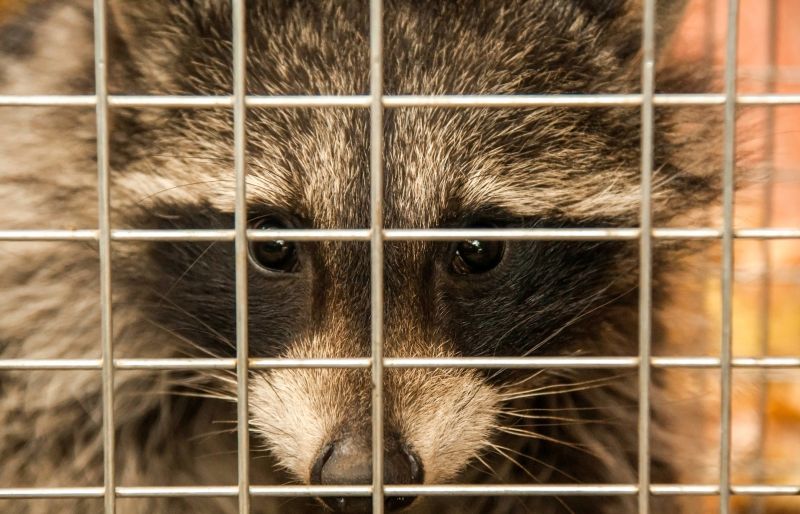
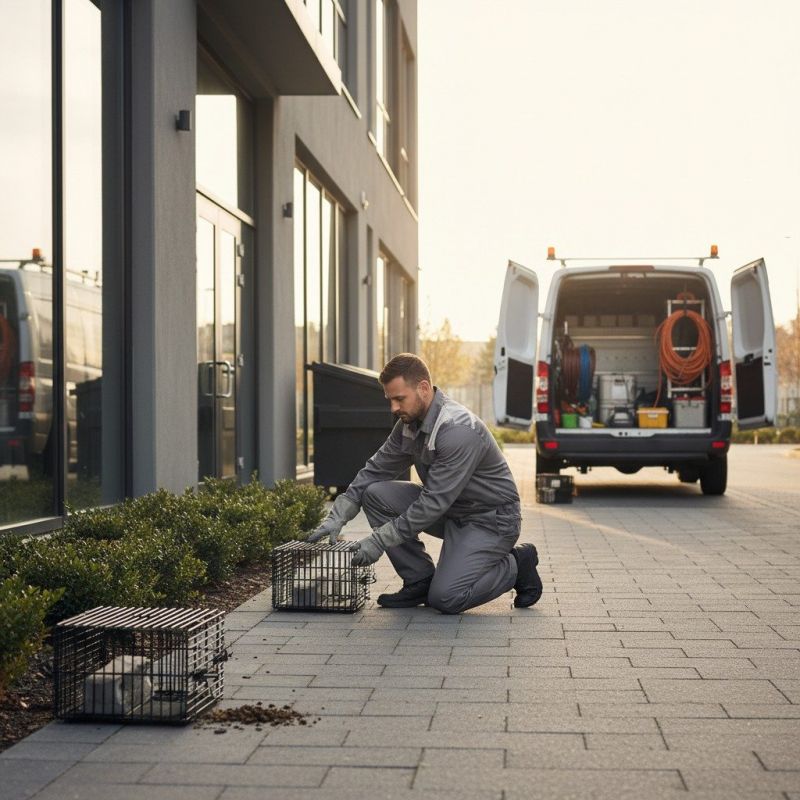
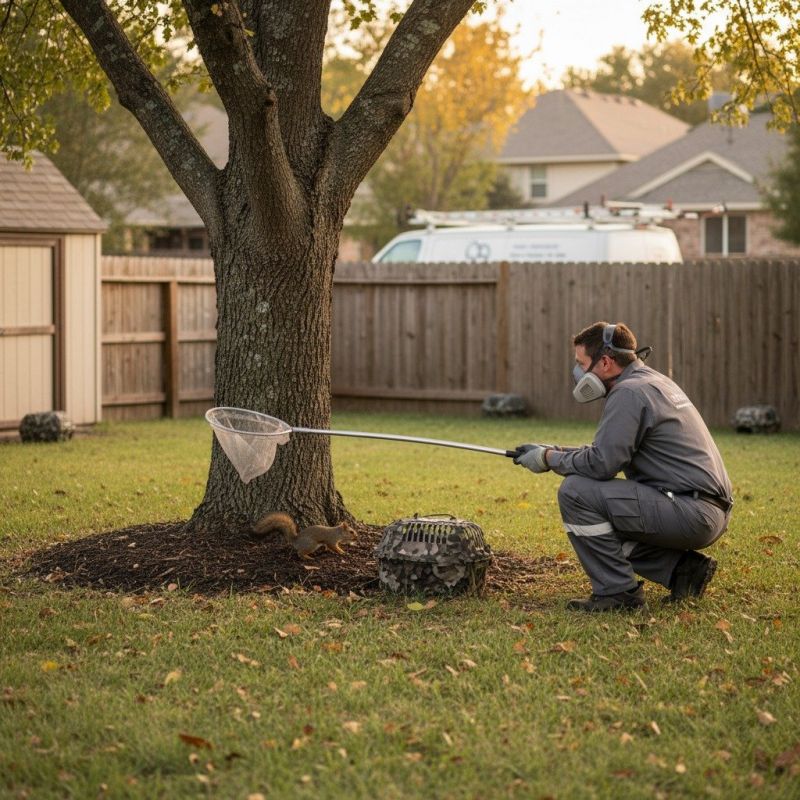
When people search for why humane wildlife removal is important for property and animal safety, they are often concerned about the presence of animals that have entered or are nesting on their property. Common issues include animals like raccoons, squirrels, bats, or birds causing damage to structures, creating noise disturbances, or leaving droppings that can pose health risks. Homeowners may also be worried about animals harming themselves or becoming trapped in attics, crawl spaces, or walls. These situations highlight the need for professional removal methods that prioritize the well-being of both the animals and the property, ensuring the problem is addressed humanely and effectively.
Humane wildlife removal is closely related to a variety of property concerns, including damage prevention, pest control, and maintaining a clean, safe environment. When animals gain access to a home or commercial building, they can cause structural damage by gnawing on wood, insulation, or wiring. Additionally, their presence can lead to contamination through droppings or nesting materials, which may carry diseases. Many property owners seek humane removal services to eliminate these issues without harming the animals, aiming for solutions that encourage animals to leave voluntarily and prevent future intrusions. This approach helps protect the integrity of the property while respecting animal welfare.
The types of properties that typically come up in discussions about humane wildlife removal include residential homes, especially those with attics, chimneys, or roof vents, as well as barns, sheds, and other outbuildings. Commercial properties like warehouses or office buildings can also be affected, particularly if they have structural openings or gaps. In rural areas, farms and ranches often encounter wildlife issues related to livestock or stored feed. Regardless of the property type, the common goal is to remove animals safely and humanely, preventing ongoing damage or health hazards. Local service providers are equipped to handle these varied property types, offering tailored solutions that address specific wildlife challenges.
For homeowners facing wildlife intrusion, understanding the importance of humane removal connects directly to the safety of both the animals and the property. Professional service providers can assess the situation, identify entry points, and implement exclusion methods that prevent animals from re-entering. These experts focus on humane techniques that encourage animals to exit voluntarily and ensure their safe relocation away from the property. Engaging with local pros who specialize in humane wildlife removal helps property owners resolve their issues effectively while avoiding the risks associated with DIY methods or inhumane practices. This approach supports a balanced solution that benefits everyone involved, from the homeowner to the local wildlife.
Attic Restoration Projects - these projects involve removing animal infestations from attics, requiring skills in humane removal and property protection, similar to wildlife control efforts.
Bird Control Solutions - installing bird deterrents and exclusion devices demands planning and tools that align with humane wildlife removal techniques to prevent property damage.
Rodent Exclusion Services - sealing entry points and implementing humane trapping methods are essential skills shared with wildlife removal professionals aiming to protect property and animals.
Pest Proofing Projects - these projects focus on securing structures against animal entry, requiring planning and tools comparable to those used in humane wildlife removal.
Wildlife Damage Repairs - repairing property after animal intrusion involves understanding animal behavior and safe removal practices to ensure long-term protection.
Habitat Modification Projects - altering landscapes to deter animal nesting or foraging involves planning and execution skills similar to humane wildlife removal services.
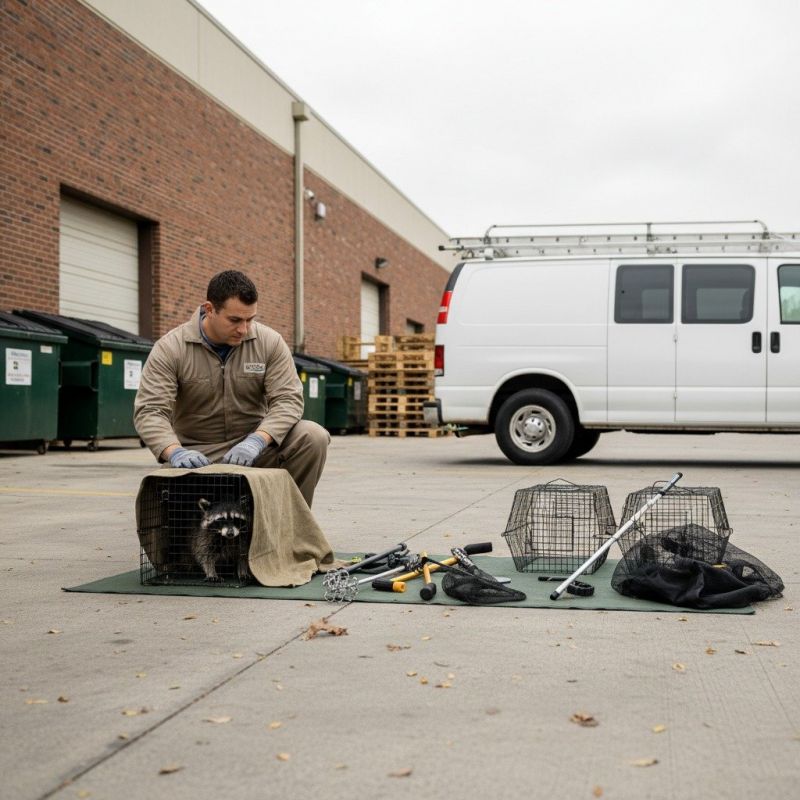
When evaluating potential wildlife removal service providers, it is important to consider their experience with similar projects. Homeowners should inquire about the types of wildlife they have handled and the scope of past work related to property and animal safety. An experienced local contractor will have a better understanding of the common issues that arise with different kinds of wildlife and can offer solutions that are both effective and humane. This familiarity can help ensure the removal process is handled properly, reducing the risk of recurring issues and potential damage to the property.
Clear, written expectations are essential when choosing a wildlife removal service. Homeowners should seek providers who can outline the steps involved in the removal process, including any necessary follow-up or preventative measures. Having detailed, written information helps set realistic expectations and provides a reference point for the scope of work. This transparency can also help prevent misunderstandings and ensure that both parties are aligned on the approach, ultimately supporting a smoother and more satisfactory experience.
Reputable references and good communication are key indicators of a trustworthy service provider. Homeowners are encouraged to ask for references or reviews from previous clients who had similar wildlife concerns. Reliable local contractors will be transparent about their track record and willing to share feedback. Additionally, clear communication throughout the process-whether through phone, email, or in-person discussions-can help homeowners feel confident that their questions will be answered and their concerns addressed. This level of professionalism contributes to a more confident decision-making process when selecting a wildlife removal service.
Property owners often search for why humane wildlife removal is important for property and animal safety when they are planning practical projects around their homes and businesses. Local pros provide Humane Wildlife Removal services for everyday jobs and straightforward project options.
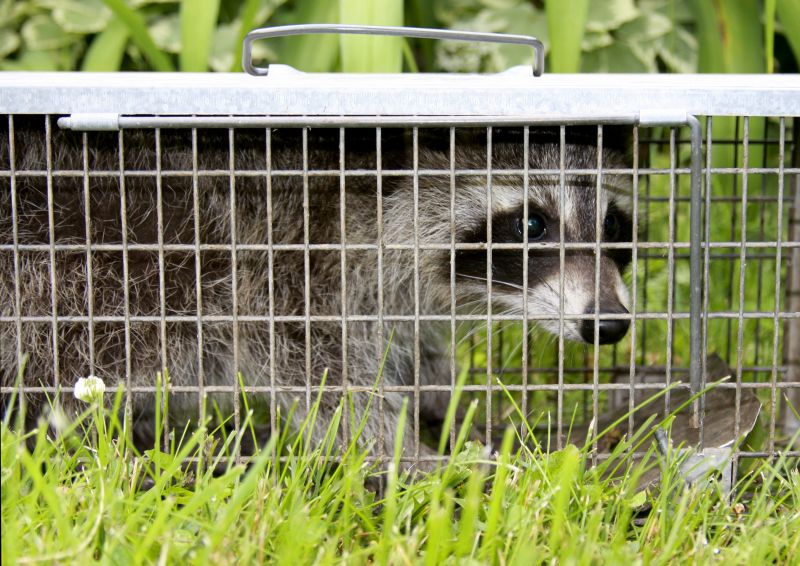
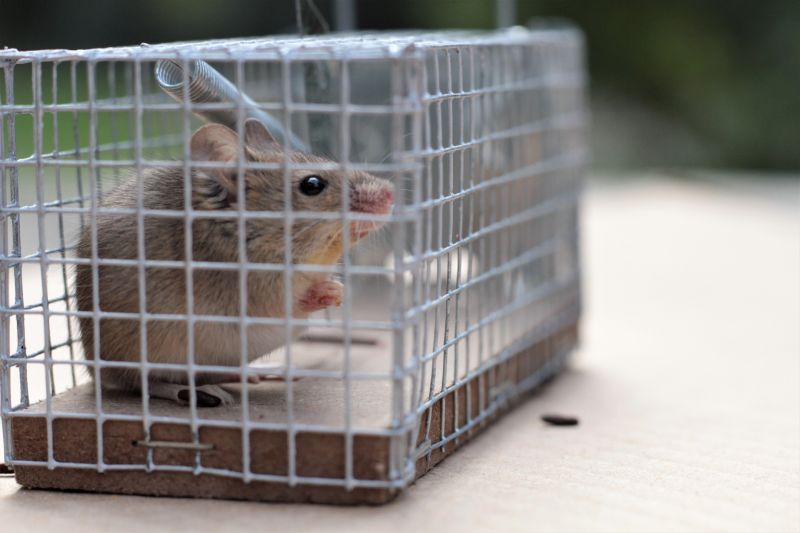
Humane wildlife removal is a key consideration for property owners dealing with animals that have taken up residence on or near their homes. Animals such as raccoons, squirrels, or bats can cause damage to roofs, attics, and other structures, leading to costly repairs if not addressed promptly. Local service providers specialize in safely and effectively removing these animals without causing harm, helping property owners prevent further property damage and maintain a safe environment for everyone.
In addition to property concerns, humane wildlife removal also plays a vital role in ensuring animal safety. Removing animals in a humane manner reduces the risk of injury to both the animals and the residents. Local contractors can help property owners manage wildlife intrusions responsibly, preventing animals from becoming trapped or stressed during removal. This approach supports a balanced coexistence while protecting property and promoting animal well-being.
Why is humane wildlife removal important for property safety? Humane wildlife removal helps prevent damage caused by animals such as chewed wiring, insulation, or structural components, reducing costly repairs and maintaining property integrity. Local service providers use methods that safely and effectively remove animals without causing harm.
How does humane wildlife removal contribute to animal safety? Humane wildlife removal ensures animals are relocated without injury or stress, respecting their well-being while preventing them from becoming trapped or injured inside buildings or in hazardous areas.
What risks are associated with ignoring wildlife infestations? Ignoring wildlife presence can lead to property damage, health risks from droppings or parasites, and increased chances of animals causing injury or spreading disease. Local contractors help manage these risks responsibly.
Why should property owners choose humane removal methods over extermination? Humane removal methods focus on safely relocating animals, avoiding unnecessary killing, and reducing the risk of animals returning or causing further damage, which is better for property safety and animal welfare.
How can local service providers help improve property and animal safety? Local contractors specialize in humane wildlife removal, providing effective solutions that prevent future infestations, protect property structures, and ensure animals are handled ethically and safely.
Protect property structures - Humane wildlife removal services can help seal entry points and prevent animals from causing damage to roofs, attics, and walls.
Reduce health risks - Proper removal and exclusion of wildlife can minimize the spread of diseases and parasites that may affect residents.
Prevent animal conflicts - Local contractors can safely relocate nuisance animals, reducing the likelihood of aggressive encounters or property damage.
Maintain animal safety and well-being - Humane removal ensures animals are relocated without harm, supporting ethical treatment and ecological balance.
If you are thinking about why humane wildlife removal is important for property and animal safety for a property, this guide is meant to help you understand this topic, the typical project types, and how different options might fit your plans.
When you are ready, you can use the quote form on this page to share a few details about your project. From there, local pros can review the basics and follow up with options that match what you have in mind.