Identifying Venomous vs. Non-Venomous Snakes and When to Call a Professional
People seeking to identify venomous versus non-venomous snakes and when to call a professional can rely on local service providers to safely assess and remove snake threats.
Understanding how to identify venomous versus non-venomous snakes is an important step for property owners who want to maintain a safe outdoor environment. Recognizing key differences in appearance and behavior can help determine whether a snake poses a threat or is harmless. However, accurately distinguishing between the two can sometimes be challenging, especially for those unfamiliar with local snake species. When uncertainty arises, it’s wise to seek guidance from experienced service providers who specialize in snake removal, ensuring the situation is handled safely and effectively.
For property owners in the area, knowing when to call a professional is crucial for both safety and peace of mind. Local snake removal experts can assess situations where snakes are found in yards, gardens, or around structures, and determine the best course of action. These professionals are equipped to handle both venomous and non-venomous snakes, helping to prevent potential bites and property damage. Keep reading to learn practical tips on identifying different types of snakes and understanding the signs that indicate a professional intervention is needed.
- Venomous snake removal services are essential when someone encounters a snake that displays warning signs or has markings typical of venomous species, with local contractors safely handling identification and removal.
- Non-venomous snake removal services are needed when a non-venomous snake is found in a residential or commercial property, and service providers use humane techniques to relocate the animal.
- Identifying venomous vs. non-venomous snakes often involves consulting local pros who can assess physical features and behaviors to determine the type of snake present.
- When to call a professional is clear if a snake's venomous nature is uncertain or if the snake is in a hard-to-reach area, with service providers equipped to handle the situation safely.
- Local snake removal experts can advise on signs of venomous snakes and provide timely intervention to prevent potential bites or injuries.
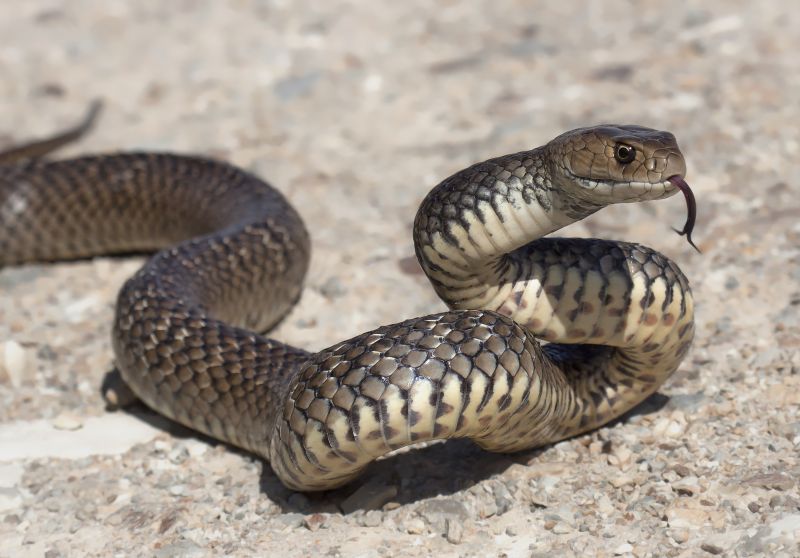
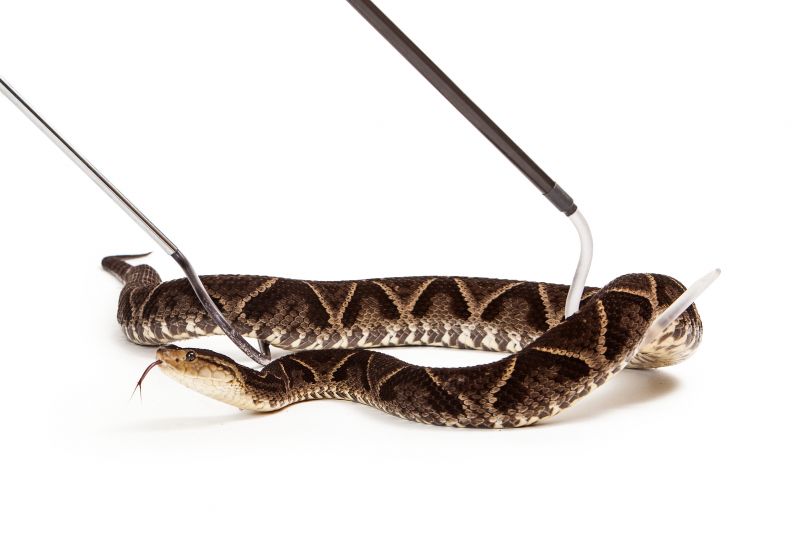
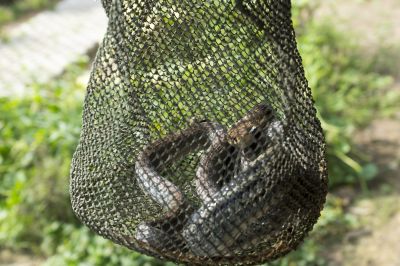
When people search for information on identifying venomous vs. non-venomous snakes, they often want to understand how to distinguish between the two to ensure safety around their property. This topic is closely related to concerns about backyard safety, pet protection, and preventing accidental encounters that could lead to bites. Homeowners might be especially interested if they’ve spotted a snake near their yard, garden, or outdoor storage areas and want to determine whether it poses a threat. Knowing the differences can help in making informed decisions about whether to handle the situation themselves or seek professional assistance. Local service providers specializing in snake removal can assist in safely managing these encounters, especially when identification is uncertain or the snake’s behavior suggests it may be venomous.
Identifying venomous versus non-venomous snakes often involves observing physical features, behavioral cues, and habitat preferences. Common visual indicators include head shape, eye pupils, and markings, but these can sometimes be misleading without expert knowledge. For instance, venomous snakes like rattlesnakes typically have a triangular head and elliptical pupils, while many non-venomous species have more rounded heads and round pupils. However, some harmless snakes mimic the appearance of dangerous ones to deter predators. This makes it important for homeowners to recognize when identification is uncertain or when the snake’s behavior indicates potential danger. In such cases, consulting with local snake removal professionals ensures that the situation is handled safely and accurately, reducing the risk of bites or misidentification.
Knowing when to call a professional for snake removal is crucial, especially if the snake’s species cannot be confidently identified or if it’s in a hard-to-reach area. Many property owners encounter snakes in their yards, gardens, or even inside structures, and may not feel comfortable handling the situation themselves. If the snake appears aggressive, is in a location where children or pets frequent, or if there is any suspicion of a venomous species, it’s best to seek expert assistance. Professionals have experience in safely capturing and removing both venomous and non-venomous snakes, reducing the risk of bites or injury. They can also provide advice on how to prevent future encounters and improve property safety, making their services a valuable resource for homeowners dealing with snake-related concerns.
Properties that commonly attract snakes include residential yards, especially those with dense shrubbery, woodpiles, or debris, as well as gardens and areas with abundant rodent activity. Homes located near wooded areas, wetlands, or rocky terrain are also more likely to experience snake visits. These environments provide cover and food sources that attract both venomous and non-venomous species. Homeowners should be aware of the importance of proper yard maintenance, such as clearing clutter and sealing gaps in foundations, to reduce the likelihood of snake encounters. When property owners are unsure about a snake’s species or safety level, local snake removal service providers can evaluate the situation and implement effective removal strategies. Their expertise helps ensure that the property remains safe and free from unwanted snake visitors.
Snake identification guides - Projects involving the creation of educational materials or resources to help homeowners distinguish between venomous and non-venomous snakes, supporting local contractors in providing accurate advice.
Wildlife habitat assessment - Assessments that identify potential snake habitats around properties, enabling service providers to recommend safe removal or prevention strategies for venomous and non-venomous species.
Risk evaluation reports - Detailed evaluations of property risks related to snake encounters, assisting local snake removal experts in prioritizing when professional intervention is necessary.
Educational outreach programs - Community-based projects that inform residents about snake identification and safety, connecting them with local snake removal services when needed.
Property inspection services - Inspections focusing on identifying potential snake hiding spots, helping homeowners determine when professional snake removal services should be engaged.
Wildlife exclusion projects - Planning and implementing exclusion techniques to prevent snakes from entering structures, requiring coordination with local contractors experienced in safe removal and prevention.
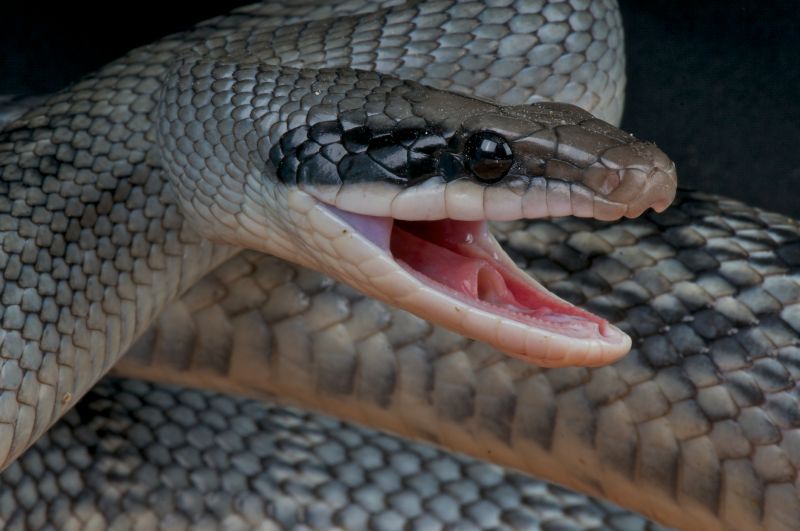
When comparing local contractors for identifying venomous vs. non-venomous snakes and when to call a professional, experience with similar projects is a crucial factor. Homeowners should seek service providers who have a proven track record in handling snake identification and removal tasks specific to their region. Contractors with extensive experience are more likely to be familiar with the common snake species, their distinguishing features, and the appropriate methods for safe and effective removal. This familiarity can help ensure that the assessment is accurate and that the removal process adheres to safety standards, reducing the risk of misidentification or improper handling.
Clear written expectations are essential when evaluating snake removal services. Homeowners should look for providers who offer detailed explanations of what the service entails, including how they identify venomous versus non-venomous snakes and the circumstances under which a professional should be called. Transparent communication about the scope of work helps prevent misunderstandings and ensures that both parties share a mutual understanding of the process. Service providers who communicate openly and provide comprehensive information are often better equipped to manage homeowner concerns and deliver a service that meets expectations.
Reputable references and good communication are key indicators of a trustworthy snake removal contractor. Homeowners are encouraged to ask for references or reviews from previous clients who have had similar work done. Positive feedback can offer insights into the contractor’s reliability, professionalism, and effectiveness in identifying and removing snakes. Additionally, good communication throughout the process-such as prompt responses to questions and clear updates-can make the experience smoother and more predictable. Choosing a service provider known for dependable communication and proven results can help ensure that the project is handled efficiently and safely.
Property owners often search for identifying venomous vs. non-venomous snakes and when to call a professional when they are planning practical projects around their homes and businesses. Local pros provide Venomous and Non-Venomous Snake Removal services for everyday jobs and straightforward project options.
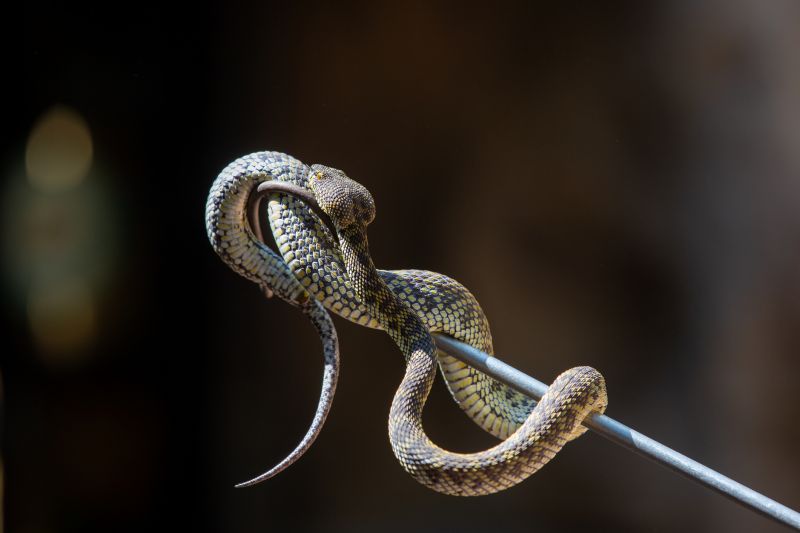
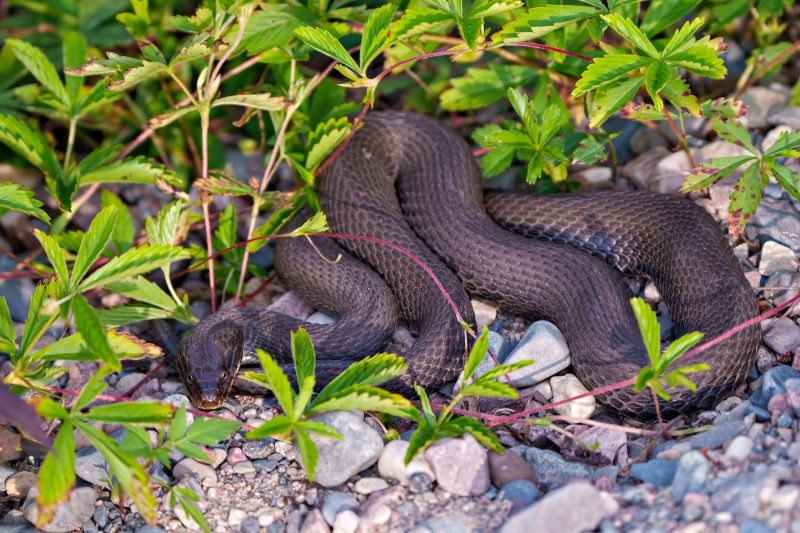
Understanding how to distinguish between venomous and non-venomous snakes can be essential for property owners who encounter these reptiles on their land. Recognizing key features such as head shape, eye pupils, and color patterns can help determine whether a snake poses a threat. However, even with basic knowledge, identifying venomous species accurately can be challenging, especially for those unfamiliar with local wildlife. When uncertainty arises, it is advisable to seek assistance from local contractors experienced in snake identification and removal, ensuring the safety of everyone on the property and preventing unnecessary handling of potentially dangerous animals.
In situations where a snake is found in a residential yard or around a property, knowing when to call a professional is crucial. If a snake is spotted in an area frequented by children or pets, or if its behavior suggests it feels threatened, contacting local snake removal specialists is the safest course of action. These service providers have the expertise to assess the situation properly and handle the removal efficiently, reducing the risk of bites or injury. Engaging experienced snake removal services ensures that the job is done safely and correctly, especially when dealing with venomous species that require careful handling.
How can I tell if a snake is venomous or non-venomous? Identifying venomous vs. non-venomous snakes involves examining features like head shape, eye pupils, and color patterns. However, many snakes look similar, so consulting local snake identification guides or professionals is recommended for accurate assessment.
What are common signs that a snake might be venomous? Venomous snakes often have triangular heads, slit-like pupils, and distinctive markings. Still, these traits can vary, so when in doubt, it’s safest to rely on the expertise of local snake removal contractors to determine if a snake is dangerous.
When should I consider calling a professional for snake removal? If you encounter a snake that you cannot identify, or if it is in a location that poses a risk to people or pets, contacting local snake removal services is advisable to handle the situation safely and effectively.
Are there specific features that indicate a snake is non-venomous? Non-venomous snakes typically have rounded heads, round pupils, and may display certain color patterns. Nonetheless, it’s best to have a professional evaluate the situation to prevent unnecessary risks.
Why is it important to involve professionals in snake identification and removal? Professionals have the knowledge and experience to accurately identify venomous versus non-venomous snakes and safely remove them, reducing the risk of bites or injuries and ensuring the job is done correctly.
Identify venomous versus non-venomous snakes - learning how to distinguish between snake types can help property owners decide when professional removal is necessary to ensure safety.
Recognize common snake habitats - understanding where snakes are likely to be found can guide property owners in assessing potential risks and knowing when to seek expert assistance.
Understand when a snake poses a threat - knowing signs of aggressive or defensive behavior helps determine if a professional should be contacted for safe removal.
Know the importance of professional removal services - consulting local contractors ensures proper handling of venomous and non-venomous snakes to prevent bites and property damage.
If you are thinking about identifying venomous vs. non-venomous snakes and when to call a professional for a property, this guide is meant to help you understand this topic, the typical project types, and how different options might fit your plans.
When you are ready, you can use the quote form on this page to share a few details about your project. From there, local pros can review the basics and follow up with options that match what you have in mind.