Health Risks Associated With Wildlife Living in or Around Your Home
Wildlife removal experts can help eliminate animals that pose health risks associated with wildlife living in or around your home, ensuring a safer living environment.
Understanding the health risks associated with wildlife living in or around your home is an important step for property owners in the area. Animals such as raccoons, squirrels, bats, and birds often seek shelter in attics, crawl spaces, and other hidden areas, but their presence can introduce a variety of health concerns. These risks include the spread of parasites, bacteria, and diseases that can affect residents and pets alike. Exploring this topic can help homeowners recognize potential issues early and take proactive measures to protect their families and property.
Local contractors specializing in wildlife removal are equipped to address these concerns safely and effectively. They can identify and eliminate the presence of animals that pose health hazards, and help prevent future invasions. Connecting with experienced service providers ensures that wildlife-related health risks are managed professionally, providing peace of mind for property owners. Keep reading to learn more about how wildlife can impact health and what steps can be taken to keep homes safe.
- Wildlife exclusion - local contractors can identify entry points where animals may introduce health risks associated with wildlife living in or around your home and implement effective removal methods.
- Bat removal - professionals can safely remove bats that may carry diseases, reducing health risks associated with wildlife living in or around your home.
- Rodent control - service providers can address infestations of mice or rats, preventing potential transmission of illnesses linked to wildlife living in or around your home.
- Bird exclusion - local contractors can prevent birds from nesting in areas that could harbor parasites or pathogens, minimizing health risks associated with wildlife living in or around your home.
- Squirrel removal - experts can eliminate squirrels that may carry diseases, helping to mitigate health risks associated with wildlife living in or around your home.
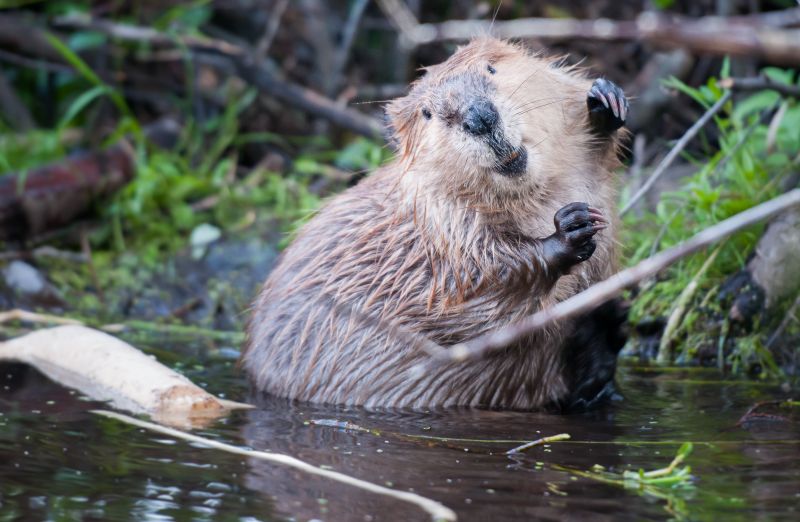
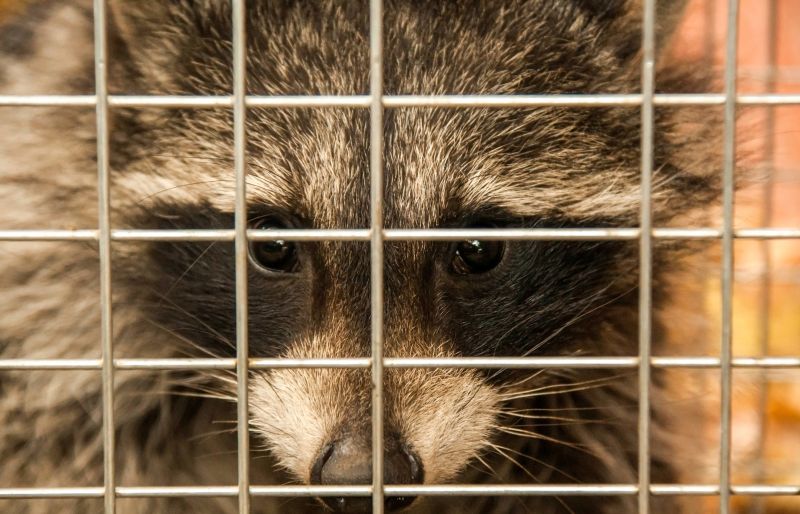
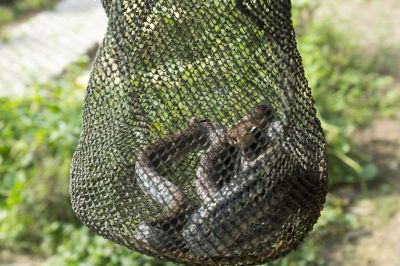
When homeowners search for information about health risks associated with wildlife living in or around their homes, they are typically concerned about the potential for animals to introduce diseases or create hazardous conditions. Wildlife such as raccoons, squirrels, bats, and birds often seek shelter in attics, crawl spaces, or wall cavities, leading to worries about contamination, parasites, and structural damage. This search usually stems from noticing signs of animal intrusion-like droppings, strange noises, or damaged insulation-or from a desire to prevent health issues before they arise. Understanding these risks helps homeowners recognize the importance of professional wildlife removal services to address the problem safely and effectively.
The problems related to wildlife living in or around a home extend beyond mere nuisance. Many of these animals carry parasites like fleas, ticks, and mites, which can transfer to humans and pets, causing health complications. Additionally, wildlife can be carriers of serious diseases such as rabies, histoplasmosis, or leptospirosis, which pose significant health threats if not properly managed. Property owners often plan to eliminate these risks by sealing entry points and removing animals, but doing so improperly can worsen the situation or lead to re-infestation. Local wildlife removal contractors specialize in safely removing animals and implementing exclusion methods that prevent future visits, helping to minimize health hazards effectively.
Certain types of properties are more prone to wildlife living in or around them, especially those with easy access points or in areas adjacent to natural habitats. Homes with damaged roofs, gaps in siding, or poorly sealed foundations are common targets for animals seeking shelter. Rural properties, farms, and homes near wooded areas or water sources tend to experience higher wildlife activity. These environments provide ample opportunities for animals to establish nests or dens, increasing the risk of health issues associated with wildlife living in or around the home. Engaging local service providers can ensure that property owners address vulnerabilities and implement effective wildlife exclusion strategies.
Understanding how wildlife living in or around a property can impact health helps homeowners make informed decisions about addressing these issues. Local wildlife removal professionals play a crucial role in identifying animal entry points, safely removing animals, and implementing exclusion measures to prevent future problems. Properly managing wildlife intrusions not only reduces the risk of disease transmission but also helps protect the structural integrity of the home. For those concerned about health risks associated with wildlife living in or around their property, connecting with experienced service providers ensures that the problem is handled efficiently and safely, giving homeowners peace of mind.
Wildlife exclusion projects - these involve sealing entry points and removing animals, which helps reduce health risks associated with wildlife living in or around your home.
Pest control services - managing populations of rodents or insects that may carry diseases linked to wildlife habitats inside or near residential properties.
Attic insulation removal and replacement - addressing contaminated insulation caused by wildlife nesting, which can pose health hazards if not properly handled.
Sanitation and cleanup services - cleaning up droppings, nests, and debris left by wildlife to prevent disease transmission and health issues.
Structural repair and reinforcement - fixing damaged areas that could allow wildlife entry, thereby minimizing ongoing health risks associated with wildlife intrusion.
Wildlife habitat modification - altering yard or landscape features to make properties less attractive to wildlife, reducing the likelihood of health risks from animal encounters.
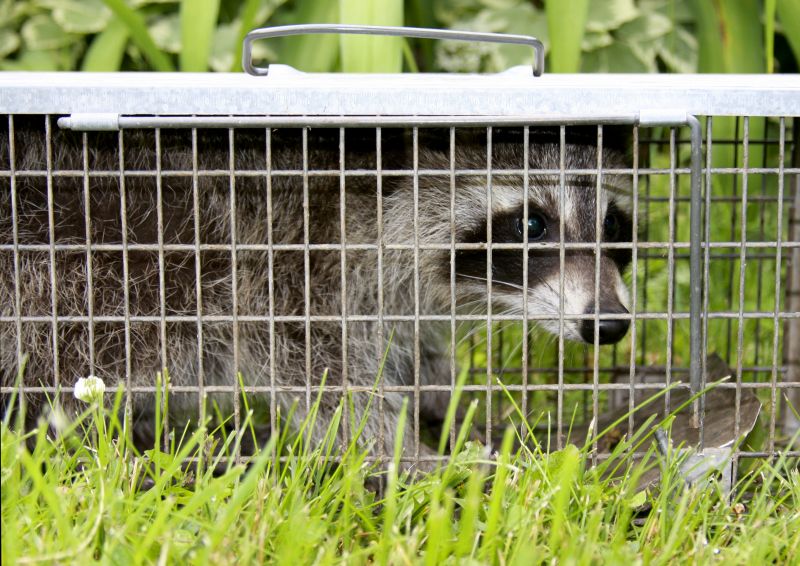
When evaluating wildlife removal service providers, it’s important for homeowners to consider their experience with similar projects. A contractor who has handled wildlife-related issues in residential settings will be more familiar with the specific health risks associated with wildlife living in or around a home. This experience can translate into more effective and thorough removal strategies, reducing potential health hazards such as disease transmission, parasites, or contamination. Asking about the types of wildlife they have managed previously can help determine whether they have the relevant background to address the unique challenges of your situation.
Clear written expectations are essential when choosing a wildlife removal contractor. Homeowners should seek providers who can outline their process, including inspection, removal, and prevention measures, in straightforward language. This transparency helps ensure everyone understands what will be done to mitigate health risks associated with wildlife living in or around a home. A detailed scope of work also allows for better comparison between service providers, ensuring that the selected contractor’s approach aligns with your concerns about safety and health.
Reputable references and good communication are key indicators of a trustworthy wildlife removal service provider. Potential contractors should be able to provide references from previous clients who can attest to their professionalism and effectiveness. Good communication ensures that homeowners can ask questions, express concerns about health risks, and receive clear, informative responses. Selecting a service provider with a track record of reliable communication and positive references can help ensure that the wildlife removal process addresses health risks thoroughly and is handled with care and professionalism.
Property owners often search for health risks associated with wildlife living in or around your home when they are planning practical projects around their homes and businesses. Local pros provide Wildlife Removal services for everyday jobs and straightforward project options.
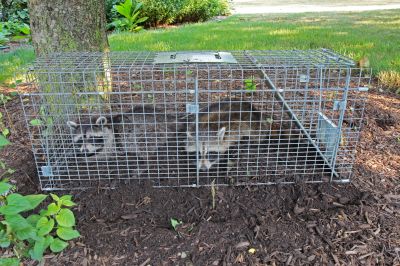
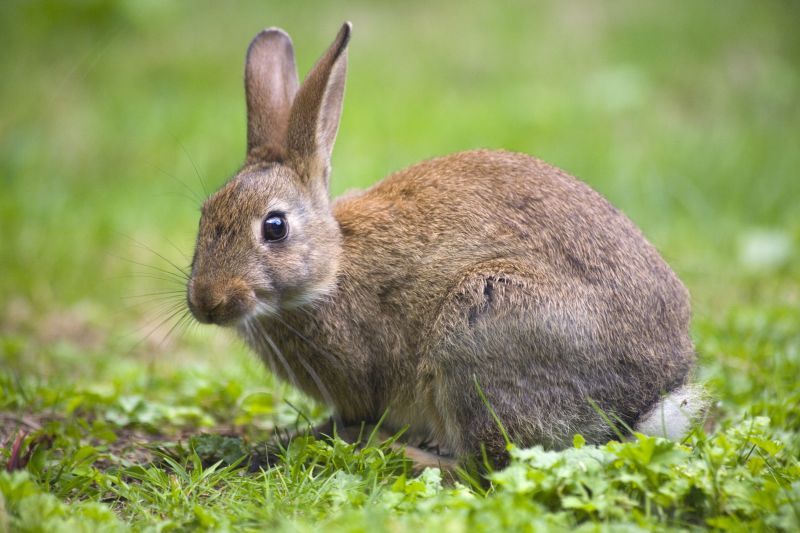
Wildlife living in or around a home can pose several health risks that property owners should be aware of. Animals such as rodents, raccoons, bats, and birds often carry parasites, bacteria, and viruses that can be transmitted to humans through direct contact or contamination of surfaces and food sources. For example, droppings and nesting materials can harbor pathogens that may lead to respiratory issues, infections, or other health problems if disturbed or left unmanaged. Recognizing the potential for these health hazards is a common reason why property owners seek the assistance of local service providers experienced in wildlife removal.
In addition to disease transmission, wildlife presence can also lead to issues such as allergic reactions or exposure to parasites like fleas and ticks. These pests may hitch a ride into the home on animals or their droppings, creating further health concerns for residents. Property owners often look into wildlife removal services to safely and effectively eliminate animals and prevent future incursions, reducing the risks associated with health hazards caused by wildlife living in or around the home. Connecting with local contractors can help ensure that these risks are addressed professionally and thoroughly.
What health risks are linked to wildlife living in or around my home? Wildlife can carry diseases such as rabies, hantavirus, and salmonella, which pose health risks to humans. Local contractors can identify and safely remove animals to reduce exposure to these hazards.
How can wildlife in my home affect my family's health? Animals like raccoons, squirrels, or bats may leave droppings and urine that can transmit illnesses. Professional wildlife removal services can clean and decontaminate affected areas to minimize health concerns.
Are there risks of parasites or pests from wildlife in my home? Yes, wildlife can harbor parasites like ticks, fleas, and mites, which can spread diseases. Local service providers can help eliminate these pests and prevent infestations.
Why is it important to address wildlife presence promptly? Delaying removal can increase the risk of disease transmission and structural damage. Experienced contractors can safely remove animals and mitigate potential health hazards.
What steps do wildlife removal professionals take to protect my health? They use humane removal methods, clean and disinfect affected areas, and ensure animals are removed safely to reduce health risks associated with wildlife living in or around a home.
Identify wildlife entry points - property owners can work with local contractors to find and seal gaps in roofs, walls, and foundations to prevent wildlife from entering living spaces.
Implement proper waste management - installing secure trash containers and removing food sources can reduce attractants for wildlife that pose health risks.
Schedule regular inspections - routine assessments by local pros can detect early signs of wildlife presence and mitigate health hazards before they escalate.
Remove nesting sites safely - professionals can carefully handle and eliminate nests in attics or eaves to minimize exposure to potential disease carriers.
If you are thinking about health risks associated with wildlife living in or around your home for a property, this guide is meant to help you understand this topic, the typical project types, and how different options might fit your plans.
When you are ready, you can use the quote form on this page to share a few details about your project. From there, local pros can review the basics and follow up with options that match what you have in mind.