How Small Animals Impact Commercial Buildings and Business Operations
People seeking commercial small animal removal aim to prevent damage and health risks caused by animals in buildings, and local service providers can effectively handle these issues.
Understanding how small animals impact commercial buildings and business operations is crucial for property owners seeking to maintain a safe and efficient environment. Small animals such as rodents, squirrels, and birds can cause unexpected disruptions, from structural damage to contamination risks, which may lead to costly repairs and operational setbacks. Exploring this topic can help property owners identify potential vulnerabilities early on and implement practical solutions to prevent infestations, ensuring their buildings remain secure and functional.
For those in the local area, connecting with experienced service providers who specialize in small animal removal offers a proactive approach to managing these issues. Skilled contractors can assess property-specific risks, safely remove unwanted wildlife, and help prevent future problems. Staying informed about how small animals impact commercial buildings and business operations empowers property owners to make informed decisions, ultimately supporting the smooth running of their operations and safeguarding their investments.
- Commercial building inspections often reveal small animal infestations that can compromise structural integrity, prompting local contractors to implement humane removal strategies. When small animals such as rodents or birds nest in commercial spaces, local service providers assess entry points and use targeted exclusion methods to prevent future issues. Businesses experiencing unusual noise or damage caused by small animals may seek professional removal services to mitigate disruptions and protect property assets. Signs of small animal activity in warehouses or storage facilities lead local pros to quickly address the problem and reduce potential health risks. In cases where small animals threaten food safety or contaminate inventory, local contractors employ specialized removal techniques to ensure compliance and maintain operational standards.
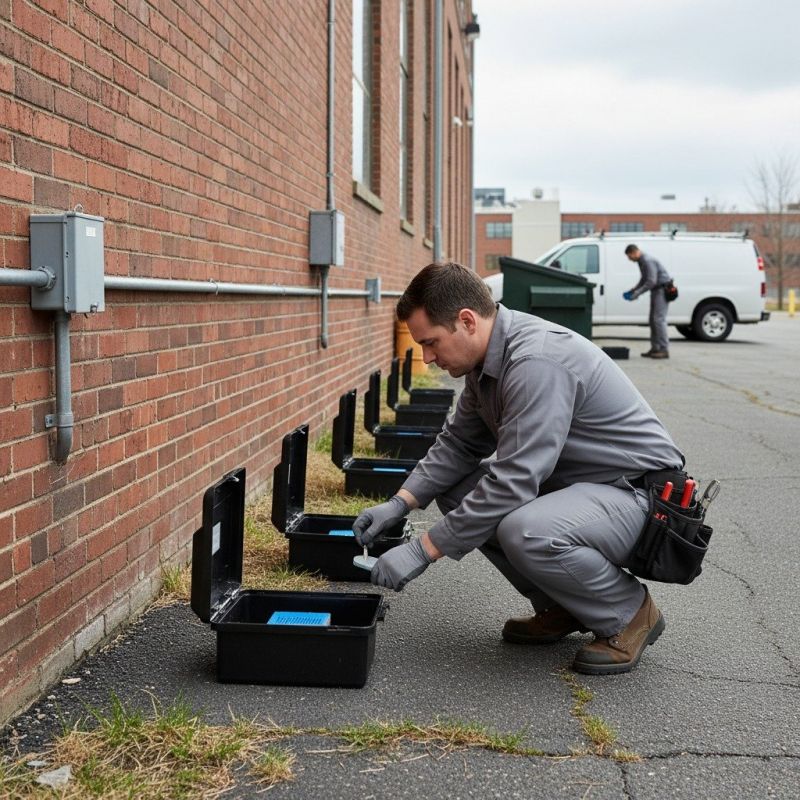
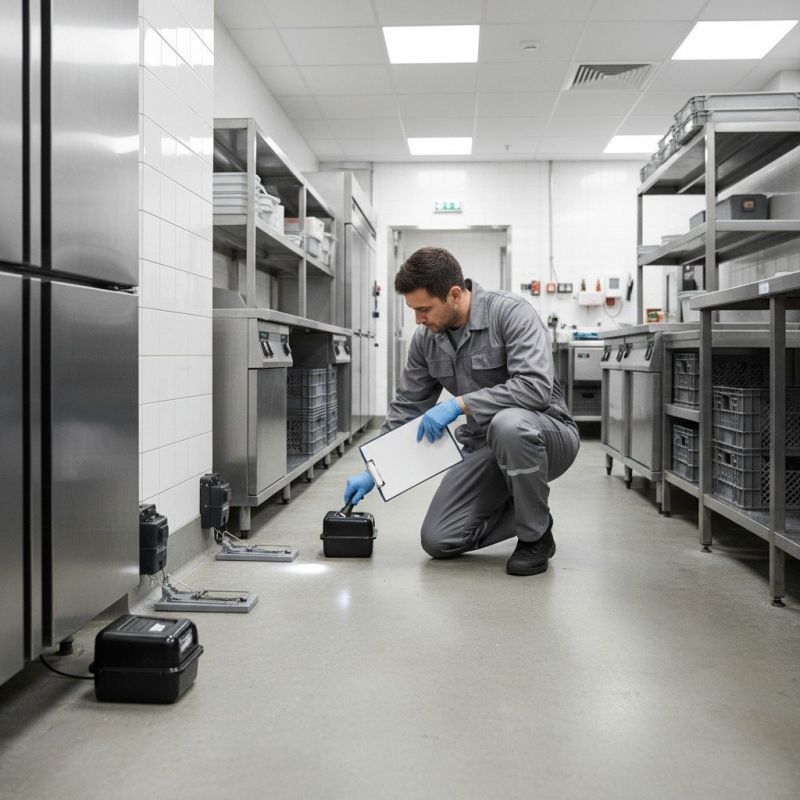
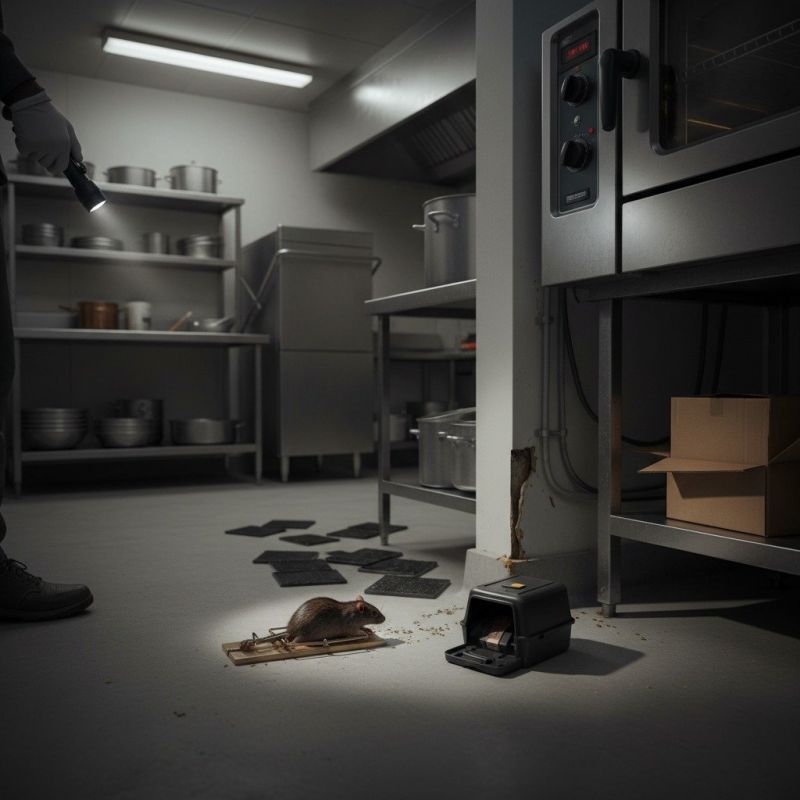
When people search for information on how small animals impact commercial buildings and business operations, they are often concerned about the potential for these creatures to cause damage, disrupt daily activities, or pose health risks. Small animals such as rodents, squirrels, and birds can find ways into buildings through small openings, leading to infestations that may go unnoticed until significant problems arise. This topic is commonly explored by property owners or managers who want to understand the risks associated with animal intrusions and how these issues might affect their business continuity. The goal is to identify the types of animals that are most likely to invade commercial spaces and learn about the impact they can have on the structure, operations, and overall safety of a property.
This topic frequently relates to plans for pest prevention, damage repair, or ongoing maintenance. Business owners may be considering proactive measures to prevent animal entry or seeking solutions to eliminate existing infestations. Small animals can cause a range of problems, including chewed wiring that increases fire hazards, contamination of food storage areas, or damage to insulation and structural components. In some cases, animals may also create noise or mess that interferes with daily operations or customer experiences. Understanding how small animals impact commercial buildings helps property managers and business owners develop effective strategies for prevention and removal, often requiring the assistance of local contractors who specialize in small animal exclusion and removal.
The types of properties most affected by small animals tend to be commercial spaces with accessible entry points or less frequent inspections. Warehouses, retail stores, restaurants, office buildings, and industrial facilities are common targets because they often have storage areas, ventilation openings, or structural features that can be exploited by animals seeking shelter or food. Buildings with nearby trees, landscaping, or open land are also more vulnerable, as these environments provide natural pathways for animals to approach and enter the property. When searching for solutions, property owners typically look for experienced service providers who can assess the situation, identify entry points, and implement effective exclusion methods to prevent future invasions.
Understanding how small animals impact commercial buildings and business operations highlights the importance of working with local pros who specialize in small animal removal. These professionals can conduct thorough inspections to locate entry points, safely remove animals, and implement exclusion measures that protect the property long-term. For business owners, partnering with experienced service providers ensures that infestations are handled efficiently, minimizing disruptions and reducing the risk of damage or health hazards. Since small animals can quickly adapt and find new ways into buildings, ongoing maintenance and preventive measures are essential. Connecting with local contractors who understand the unique challenges of commercial properties helps ensure that small animals are managed effectively, supporting smooth business operations and protecting the integrity of the building.
Building Inspection Projects - these projects involve assessing commercial properties for pest entry points and structural vulnerabilities that small animals may exploit, similar to the planning needed for animal exclusion efforts.
Pest Prevention Planning - developing strategies to prevent small animals from entering buildings shares skills with protecting commercial spaces from animal-related disruptions to operations.
Wildlife Exclusion Installations - installing barriers and entry point seals to keep animals out directly relates to the services provided by small animal removal specialists in commercial settings.
Structural Repair Projects - repairing damage caused by small animals, such as chewed wiring or insulation, involves similar skills used in addressing animal-related impacts on buildings.
Rodent Proofing Services - these projects focus on blocking access points for rodents, aligning closely with small animal exclusion and removal techniques for commercial properties.
Damage Assessment Services - evaluating and documenting structural or equipment damage from small animals helps businesses understand the impact on operations, similar to the insights provided by small animal removal experts.
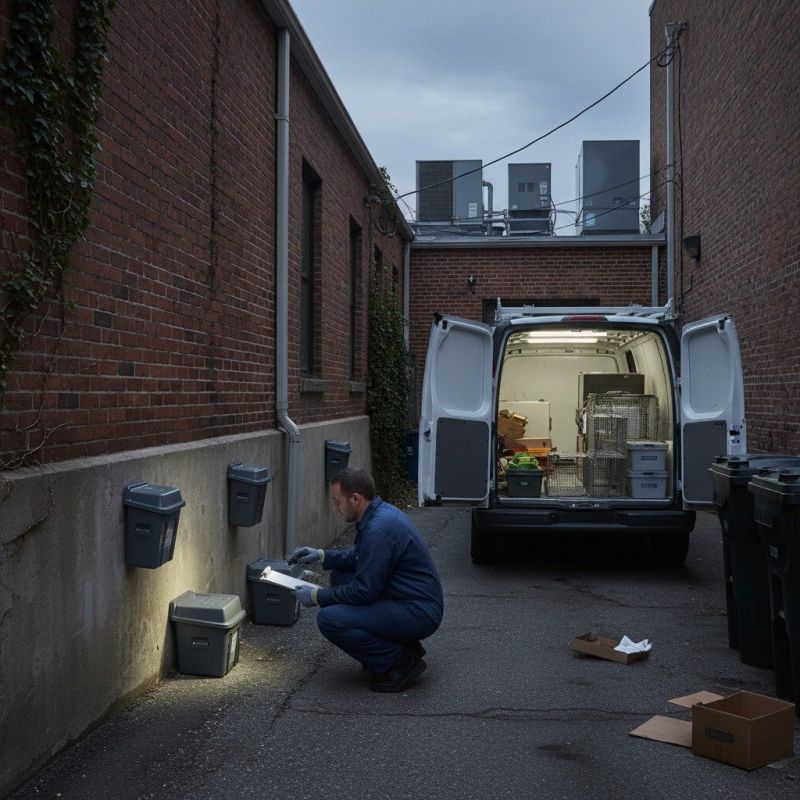
When evaluating service providers for commercial small animal removal, it is important to consider their experience with similar projects. Contractors who have handled small animal issues in commercial settings will better understand the unique challenges that can arise, such as the impact on business operations and the specific building structures involved. Asking about their background with projects of comparable scope can help ensure they have the practical knowledge needed to address the situation effectively and efficiently.
Clear written expectations are essential when choosing a small animal removal service. A reputable provider should be able to outline the process, methods, and scope of work in a detailed manner. This clarity helps prevent misunderstandings and ensures that the business owner and the contractor are aligned on what will be done, how it will be handled, and what the anticipated outcomes are. Well-defined expectations contribute to a smoother process and help maintain transparency throughout the project.
Reputable references and good communication are key indicators of a dependable service provider. Contacting previous clients or reading reviews can provide insight into the contractor’s reliability, professionalism, and effectiveness in resolving small animal issues. Additionally, effective communication-such as prompt responses, clear explanations, and willingness to answer questions-can significantly impact the overall experience. Service providers who prioritize transparent dialogue and have positive references are more likely to deliver a service that meets the specific needs of a commercial property, minimizing disruptions and ensuring a thorough removal process.
Property owners often search for how small animals impact commercial buildings and business operations when they are planning practical projects around their homes and businesses. Local pros provide Commercial Small Animal Removal services for everyday jobs and straightforward project options.
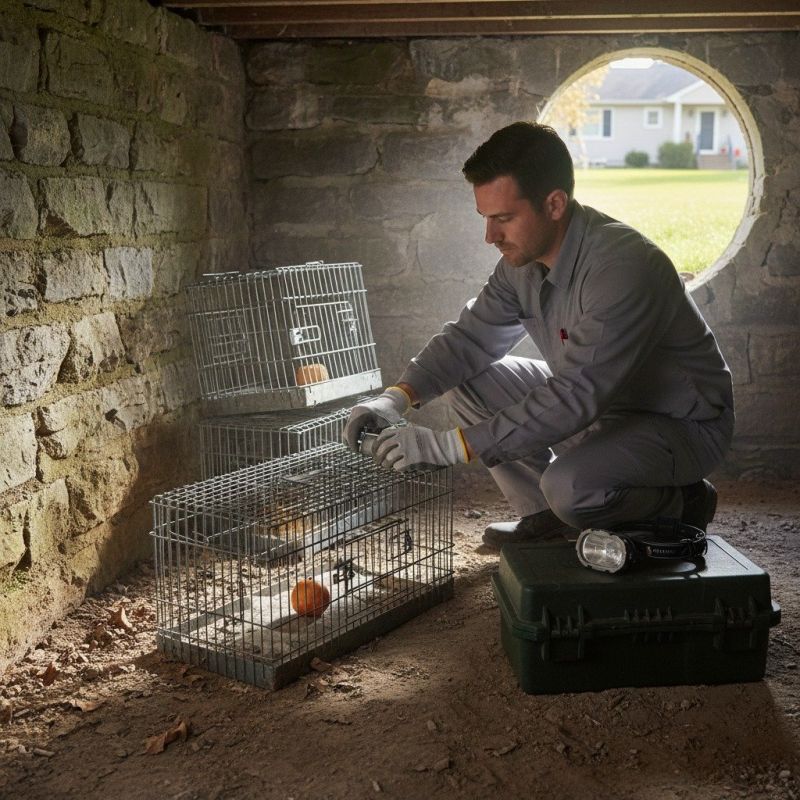
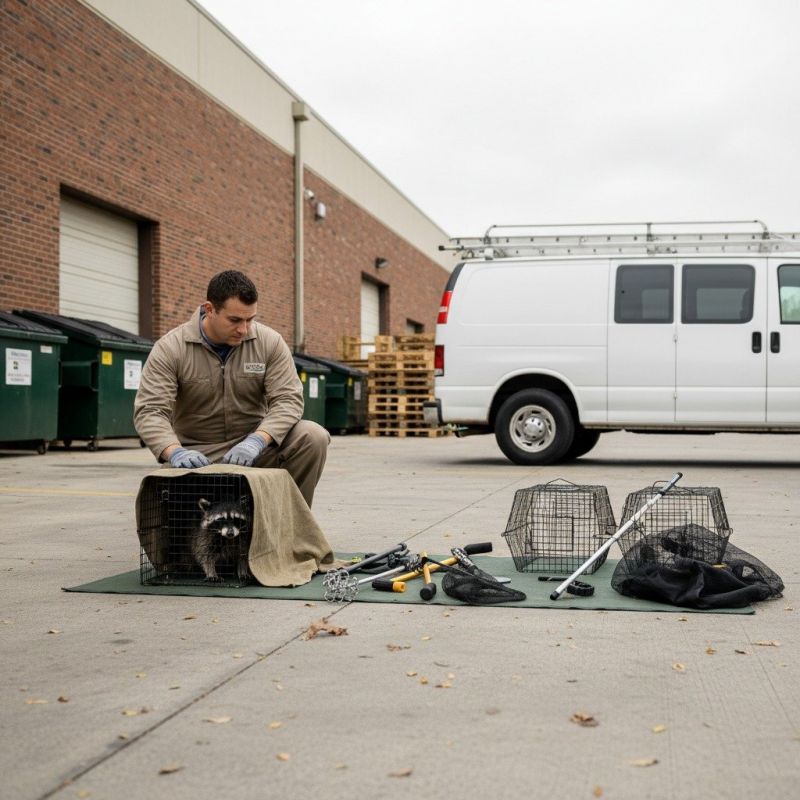
Small animals such as rodents, birds, and insects can cause significant issues for commercial buildings and business operations. They often find ways to access rooftops, attics, or wall cavities, leading to damage of insulation, wiring, and structural components. This can result in costly repairs and disrupt daily activities, especially if infestations are left unaddressed. Property owners in the area may seek out commercial small animal removal services to prevent these problems from escalating, ensuring their buildings remain safe and functional.
In addition to structural damage, small animals can pose health risks and create sanitation concerns that impact business operations. Droppings, nesting materials, and the presence of pests can compromise cleanliness and potentially lead to health code violations. Local contractors who specialize in small animal removal can help identify entry points and safely eliminate these pests, minimizing the risk of future invasions. Addressing these issues promptly supports a clean, safe environment for employees and customers alike.
How do small animals affect the structural integrity of commercial buildings? Small animals such as rodents and birds can cause damage to building materials by gnawing on wires, insulation, and wood, which may compromise the structural integrity over time. Local contractors experienced in small animal removal can identify and address these issues to prevent further damage.
What risks do small animals pose to business operations? Small animals can create health hazards through droppings and nesting materials, leading to potential contamination and sanitation issues. They may also cause disruptions if they infest equipment or storage areas, impacting daily business activities.
How can small animals impact building systems like electrical or HVAC? Small animals often chew on electrical wiring, increasing the risk of fires or system failures. They can also nest in HVAC systems, reducing efficiency and causing malfunctions, which local service providers can help mitigate through removal and prevention measures.
Why is it important to address small animal presence quickly in commercial settings? Prompt removal prevents extensive damage, reduces health risks, and minimizes operational disruptions. Local pros can efficiently handle infestations to maintain a safe and functional business environment.
How do small animals typically enter commercial buildings? Small animals often gain access through gaps, vents, or damaged areas in the building exterior. Local contractors can identify entry points and implement exclusion strategies to prevent future invasions.
Identify entry points - property owners can work with local contractors to find and seal small animal entry points, preventing future invasions that disrupt business operations.
Implement exclusion strategies - applying exclusion techniques with the help of local pros can keep small animals out of critical areas like storage or electrical rooms.
Schedule regular inspections - routine assessments by local service providers help detect early signs of small animal activity, minimizing potential damage.
Remove existing infestations - engaging local pros to safely remove small animals can reduce health risks and prevent operational interruptions.
If you are thinking about how small animals impact commercial buildings and business operations for a property, this guide is meant to help you understand this topic, the typical project types, and how different options might fit your plans.
When you are ready, you can use the quote form on this page to share a few details about your project. From there, local pros can review the basics and follow up with options that match what you have in mind.