Health and Safety Risks Caused by Small Animals in Commercial Facilities
Local contractors specializing in small animal removal can help mitigate health and safety risks caused by small animals in commercial facilities by safely removing pests and preventing damage.
Visitors exploring concerns about health and safety risks caused by small animals in commercial facilities are in the right place. Small animals such as rodents, birds, and insects can pose significant health hazards in commercial environments, potentially leading to contamination, structural damage, and pest-related health issues. Property owners and managers in the area may find it especially important to understand these risks to maintain a safe, compliant, and productive workspace. Recognizing the presence of small animals early and addressing infestations promptly can prevent costly damage and safeguard the well-being of staff and visitors alike.
For those seeking practical solutions, local contractors specializing in small animal removal offer valuable expertise in safely and effectively managing these issues. These service providers understand the unique challenges that commercial facilities face and can help identify entry points, remove unwanted pests, and implement preventative measures. Exploring options for small animal removal ensures that health and safety risks caused by small animals are minimized, supporting a secure and healthy environment for everyone inside the facility. Keep reading to learn how local experts can assist in addressing these common concerns.
- Commercial building inspections - when small animals are suspected to be present, local contractors assess the extent of infestation and identify entry points to prevent health and safety risks caused by small animals in commercial facilities.
- Small animal exclusion services - if small animals have gained access to a commercial space, local pros implement humane exclusion methods to eliminate health hazards associated with droppings and nesting materials.
- Rodent proofing and sealing - in cases where small rodents pose health and safety risks caused by small animals in commercial facilities, local service providers secure building openings to prevent re-entry and reduce contamination.
- Sanitation and cleanup - after small animals are removed, local contractors perform thorough sanitation to address health risks caused by droppings, urine, and nesting debris in commercial environments.
- Ongoing monitoring and maintenance - to mitigate health and safety risks caused by small animals in commercial facilities, local pros establish preventative measures and regular inspections to detect early signs of infestation.
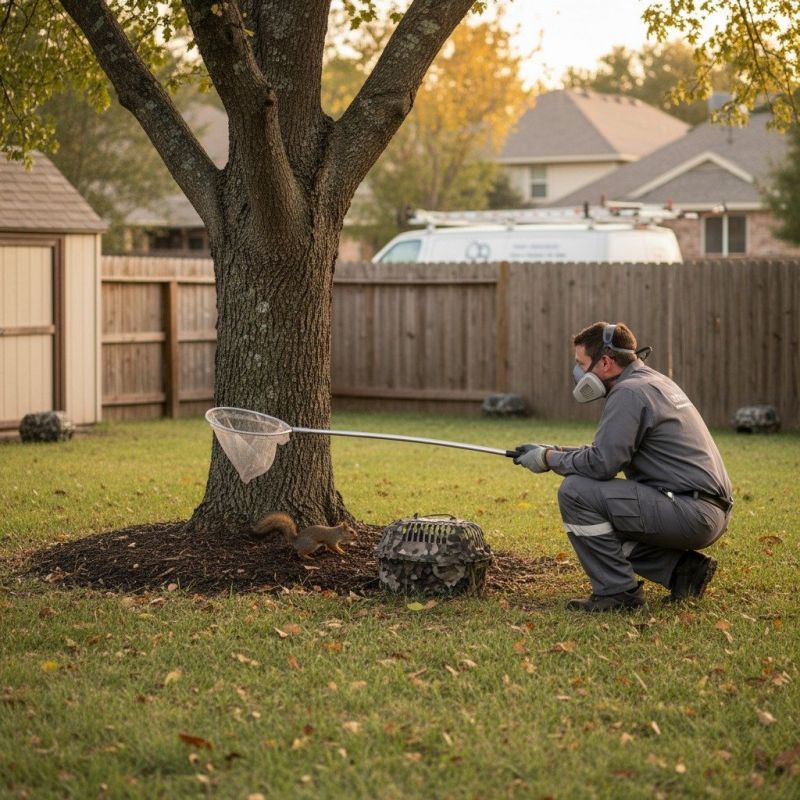
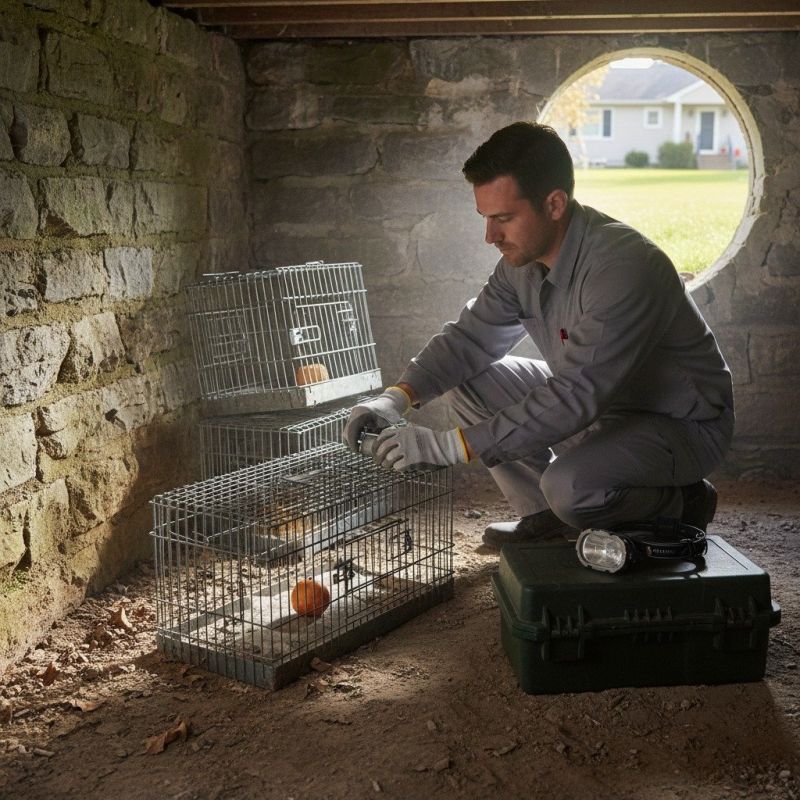
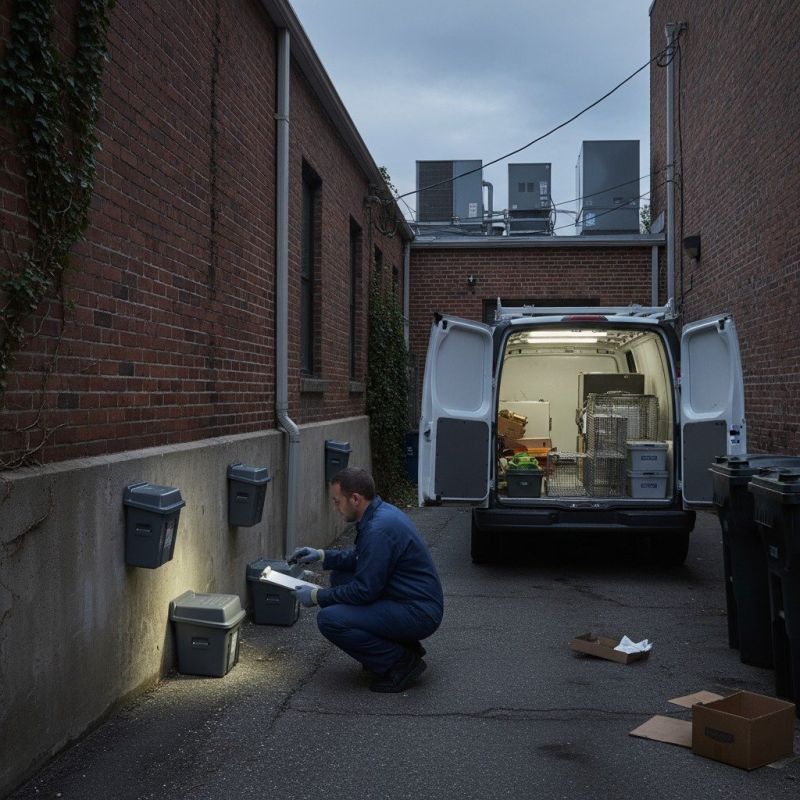
When people search for information about health and safety risks caused by small animals in commercial facilities, they are often concerned about the potential hazards that these animals can introduce into their properties. Small animals such as rodents, bats, or squirrels may seem harmless at first, but they can pose serious health threats due to the diseases they carry and the contamination they cause. This search typically stems from worries about how these pests might impact employee health, customer safety, or the integrity of the building itself. Business owners and property managers want to understand the risks involved and seek effective solutions to prevent or address infestations that could compromise safety standards.
These concerns are closely linked to plans for pest prevention, building maintenance, and safety compliance. Commercial facilities often require ongoing monitoring to prevent small animals from establishing nests or burrows that can lead to structural damage or contamination. In some cases, infestations can trigger health code violations or insurance issues, making prompt removal essential. Properly managing health and safety risks caused by small animals involves not only removal but also sanitation, sealing entry points, and ongoing inspections. Local service providers who specialize in small animal removal can help implement these plans, ensuring that properties remain safe and compliant while minimizing the risk of disease transmission and property damage.
Properties that typically come up in discussions about health and safety risks caused by small animals include warehouses, retail stores, office buildings, restaurants, and industrial facilities. These properties often have large, accessible spaces that can attract small animals seeking shelter and food sources. For example, warehouses storing inventory or supplies may have gaps or cracks that allow rodents to enter unnoticed. Restaurants and food service facilities are particularly vulnerable due to the presence of food and waste, which attract pests. Industrial sites with less frequent inspections or maintenance can also become hotspots for small animal activity. Understanding the specific risks associated with these property types helps in developing targeted strategies for effective removal and prevention.
Connecting property owners and managers with local contractors who handle small animal removal is essential for addressing health and safety risks caused by small animals in commercial facilities. These service providers have the experience and tools to safely and efficiently remove pests, identify entry points, and implement exclusion measures. By working with local pros, property owners can ensure that infestations are addressed promptly, reducing the likelihood of disease spread, structural damage, or safety hazards. Proper removal and ongoing pest management are key steps in maintaining a safe environment for employees, customers, and visitors, while also protecting the property’s integrity. This proactive approach helps mitigate the health and safety risks associated with small animals in commercial settings.
Pest Inspection Services - professionals skilled in identifying signs of small animal activity that can pose health and safety risks in commercial settings.
Building Damage Assessment - experts evaluate structural issues caused by small animals, helping to prevent safety hazards related to compromised building integrity.
Wildlife Exclusion Projects - contractors implement strategies to prevent small animals from entering facilities, reducing health risks and contamination concerns.
Sanitation and Cleanup Services - specialists focus on removing waste and decontaminating areas affected by small animal infestations, addressing safety hazards.
Structural Repair Services - providers repair entry points and damage caused by small animals, enhancing safety and preventing future risks in commercial facilities.
Rodent Proofing Solutions - service providers install barriers and seals to keep small animals out, minimizing health and safety risks associated with infestations.
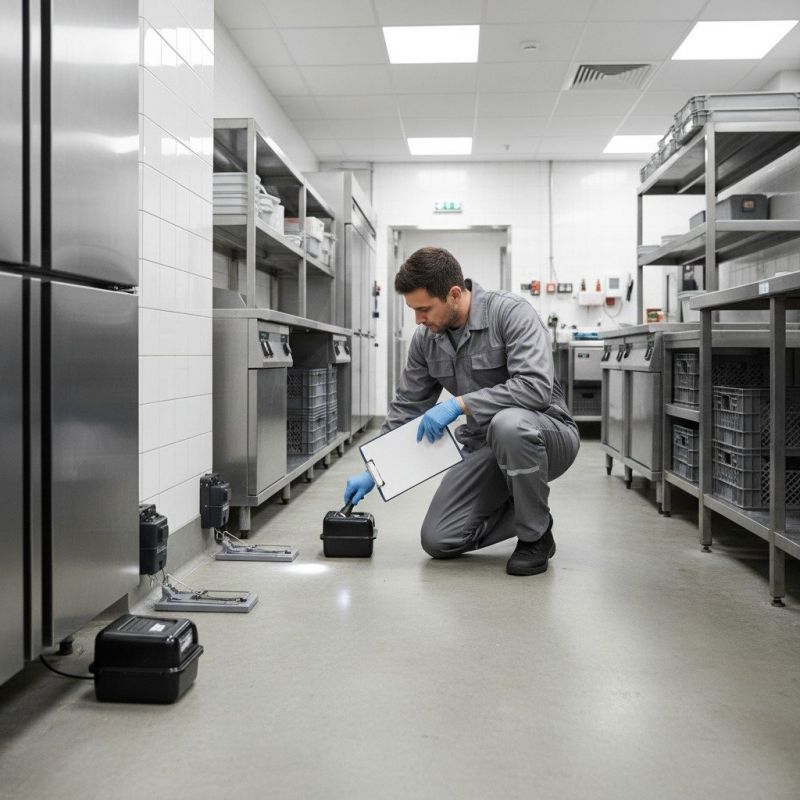
When comparing service providers for addressing health and safety risks caused by small animals in commercial facilities, it is important to consider their experience with similar projects. Local contractors who have a history of handling small animal removal in environments comparable to your facility are more likely to understand the specific challenges involved. This experience can translate into more efficient and effective solutions, reducing the potential for ongoing health concerns. Asking about past projects or seeking references related to small animal removal can help gauge a provider’s familiarity with the unique aspects of commercial settings and ensure they have a proven track record.
Clear written expectations are essential when evaluating potential service providers. A detailed scope of work should outline the steps involved in the removal process, safety measures, and any follow-up services. This clarity helps prevent misunderstandings and ensures that both parties are aligned on the scope and responsibilities. Service providers who communicate their process transparently and provide comprehensive written estimates demonstrate professionalism and a commitment to meeting client needs. Such clarity is especially important when dealing with health and safety risks, as it ensures that all necessary precautions are considered and documented.
Reputable references and strong communication skills are key indicators of a reliable small animal removal service. References from previous clients in similar commercial environments can provide insights into the provider’s ability to handle health and safety concerns effectively and professionally. Additionally, good communication-such as timely responses, clear explanations, and willingness to answer questions-helps build confidence in the contractor’s ability to manage the project safely and efficiently. Choosing local service providers who prioritize open dialogue and have positive references can contribute to a smoother process and better outcomes when addressing health and safety risks caused by small animals in commercial facilities.
Property owners often search for health and safety risks caused by small animals in commercial facilities when they are planning practical projects around their homes and businesses. Local pros provide Commercial Small Animal Removal services for everyday jobs and straightforward project options.
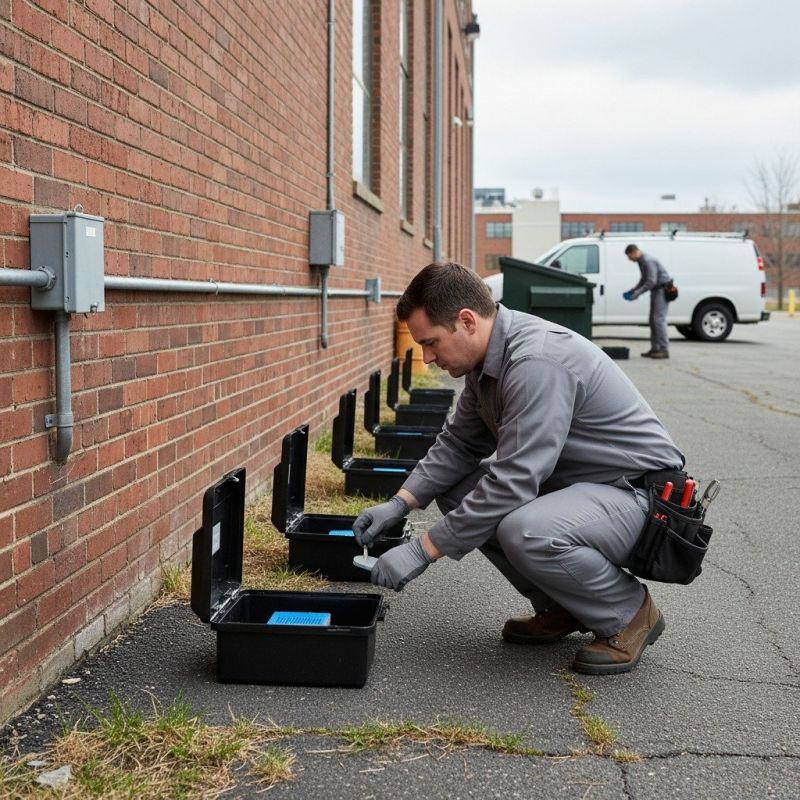
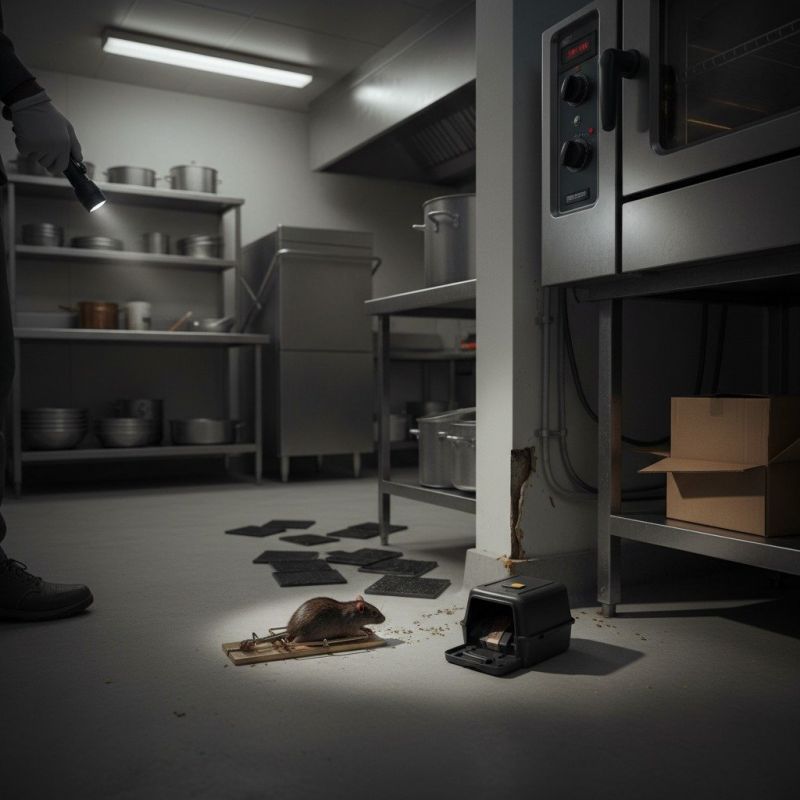
Small animals such as rodents, birds, and insects can pose significant health and safety risks in commercial facilities. Their presence often leads to contamination of food supplies, damage to wiring or insulation, and the spread of diseases through droppings and nesting materials. In everyday project situations, property owners might notice unusual noises, droppings, or signs of nesting, prompting concerns about potential health hazards and safety issues. Engaging with local contractors who specialize in small animal removal can help address these risks promptly, ensuring the safety of employees, customers, and the integrity of the building.
Many property owners in the area seek out commercial small animal removal services to prevent health hazards and avoid costly damage. Small animals can create unsafe working environments by gnawing on electrical components or creating structural vulnerabilities. When signs of small animal activity are observed, it’s important to consider professional removal services to mitigate health risks and prevent further property damage. Local service providers are equipped to handle these situations efficiently, helping to maintain a safe and compliant commercial space.
What health and safety risks are associated with small animals in commercial facilities? Small animals can carry diseases, cause structural damage, and trigger allergies, creating health and safety concerns for employees and visitors. Local contractors specializing in small animal removal can identify and mitigate these hazards effectively.
How can small animals impact the safety of a commercial environment? Small animals may chew on electrical wiring or insulation, increasing the risk of fires or electrical failures. Professional removal services can prevent such hazards by safely removing these animals from the premises.
Why is it important to address small animal infestations promptly in commercial facilities? Delaying removal can lead to increased health risks, damage to property, and potential regulatory issues. Local service providers can quickly and safely handle infestations to minimize these risks.
What are common signs of small animal presence that could pose safety concerns? Signs include droppings, gnaw marks, unusual noises, or damage to structures. Local pros can assess these indicators and implement effective removal strategies to ensure safety.
How do professional small animal removal services help reduce health and safety risks? They use safe, humane methods to eliminate small animals, inspect for damage or contamination, and help prevent future infestations, thereby reducing associated health and safety risks in commercial facilities.
Identify entry points - property owners can work with local contractors to locate and seal small animal entry points, reducing health and safety risks caused by small animals in commercial facilities.
Implement exclusion measures - applying effective exclusion strategies helps prevent small animals from accessing critical areas, minimizing contamination and safety hazards.
Conduct regular inspections - scheduling routine checks with local pros ensures early detection of small animal activity, addressing health risks promptly.
Remove nests and debris - collaborating with service providers to safely eliminate nests and accumulated debris reduces potential health hazards in the facility.
If you are thinking about health and safety risks caused by small animals in commercial facilities for a property, this guide is meant to help you understand this topic, the typical project types, and how different options might fit your plans.
When you are ready, you can use the quote form on this page to share a few details about your project. From there, local pros can review the basics and follow up with options that match what you have in mind.